
Support From an Anxiety Therapist
Kathryn Graham, Ph.D.
Is there always something on your mind, as though you cannot relax?

Do you often find yourself thinking about the future and assuming the worst?
Do you often find yourself second guessing your decisions or questioning your memories?
Do you find yourself worrying about your social relationships or about whether you are good enough?
When these thoughts come up, do you feel stuck in a thought cycle, repeatedly focusing on the same worries?
Does your heart start to race, do you find it hard to breathe, or does your stomach ache when you feel worried?
If so, you may be experiencing chronic anxiety. Anxiety is a core human emotion and we are biologically programmed to listen to it and any fight, flight, or freeze response that may accompany it. Our instincts are to avoid what makes us feel afraid and it is challenging to fight this instinct or recognize when anxiety may be unhelpful or even harmful.
Anxiety doesn’t look the same for everyone.
Anxiety can appear as a specific phobia or fear. It can appear as a repetitive worrying thought cycle. It can feel like a sudden, intense surge of adrenaline accompanied by a racing heart, hot flashes, nausea, etc. It can look like needing to rehearse everything you are going to do or say that day. It can look like needing to have a water bottle with you in case you get hot or needing to have your friend with you to be able to take the subway.
Regardless of the form your anxiety takes, it often leads to avoidance. Clients come to me when they feel as though they are no longer in control of their anxiety and instead are making decisions primarily based on what will make them feel less anxious.
One of our primary goals with anxiety therapy is to help you regain your sense of control over anxiety so that you can make decisions based on your own values and needs.
My Specialties Are
I specialize in helping people learn to regulate their anxiety including:
Panic attacks- sudden, intense surges of adrenaline that lead to a flood of physical symptoms of anxiety such as heart racing, hot flashes, difficulty breathing, nausea, and dizziness
Specific phobias- a specific targeted fear for something such as animals, flying, natural disasters, medical exams, etc.
Generalized Anxiety Disorder (GAD)- anxiety that shifts focus frequently leading to an overall sense of dread and an inability to relax
Obsessive-Compulsive Disorder (OCD)- repetitive intrusive thoughts accompanied by repetitive behaviors or thinking patterns to reduce or prevent the intrusive thoughts from coming true
Social anxiety- a persistent fear surrounding social perception that might make it difficult to speak in public, make new friends, or be around people that you are not familiar with
Separation anxiety- fears in childhood that occur when separated from your parents in which you are afraid for your safety or the safety of your loved one
Anxiety Therapy Techniques I Use
My approach to anxiety therapy uses a blend of evidence-based practices that emphasize the following:
Recognizing physical symptoms and using coping skills. Anxiety symptoms often feel very alarming and can appear as though something is wrong with our body. We learn to recognize which physical sensations are due to anxiety and how to cope with these symptoms and self-regulate. If deep breathing isn’t your thing, that’s okay! We have plenty of options to work with.
Noticing and challenging anxious thoughts. It’s important to recognize your anxious thoughts to avoid getting trapped in a thought spiral. Once identified, we need to challenge any unhelpful anxious thoughts through examining the evidence. This can include recognizing that the worst case scenario is unlikely to occur, that you could handle the worst case scenario if it did occur, or noticing cognitive distortions.
Facing your fears. This can be in the form of exposure therapy, through setting boundaries, and/or through reducing any repetitive or safety behaviors you might do to reduce feeling anxious.
Anxiety Treatments That are Tailored to You

While most evidence-based treatments for anxiety maintain the same three core ingredients, different treatment approaches work better for different forms of anxiety.
-
Cognitive Behavioral Therapy (CBT) is the primary evidence-based treatment for anxiety. Through CBT we focus first on regulating emotions with coping skills, then on recognizing and challenging unhelpful anxious thoughts. Treatment then focuses on changing behavioral patterns around anxiety to reduce avoidance and increase confidence with facing fears.
-
Exposure and Response Prevention (ERP) is the gold-standard treatment for OCD and focuses on reducing avoidance and gradually facing fears. Elements this treatment, especially facing fears are crucial in most anxiety treatments.
-
Inference-based Cognitive Behavioral Therapy for OCD (ICBT) is an evidence-based treatment for OCD that focuses on recognizing how OCD changes one’s perception of reality, leading to doubts. Through this treatment, we focus on questioning the doubts and challenging OCD’s perceptions.
-
Supporting Parents of Anxious Childhood Emotions (SPACE) is an evidence-based treatment designed to coach parents through how to support their anxious children. This treatment focuses entirely on behaviors within a parent’s control and focuses on building support in the parent-child relationship.
Results From
Anxiety Therapy With Me

After therapy, my clients report:
Having more flexibility to do the things they enjoy, with the people they love
Trusting in their body more
Feeling more confident in their decision-making
Being able to enjoy more experiences without focusing on their internal monologue
Recognizing their self-worth and setting boundaries rather than people pleasing
Learning to relax
Being able to recognize when an anxious thought is truly helpful
Learning to accept uncertainty
One of my primary goals in treatment is to help clients develop greater self-confidence to trust their bodies, their thoughts, and their emotions so that they can make decisions based on their needs, not on what anxiety needs.
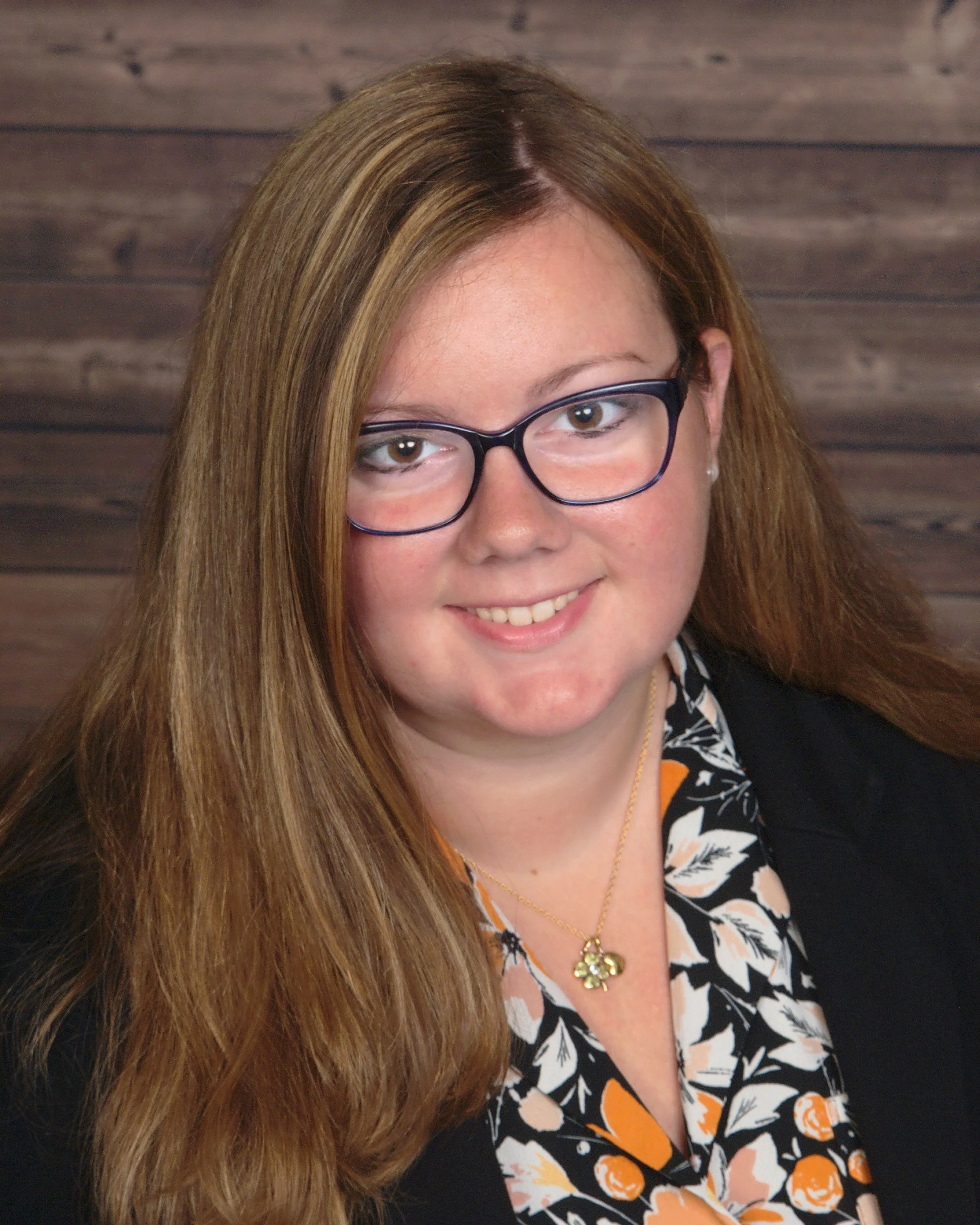
About Kathryn Graham, PhD
I have specialized in treating anxiety my entire career, first through running a structured social anxiety group at a college counseling center, and through my work in private practice providing both individual anxiety and OCD treatment with children, teens, and adults as well as running a SPACE group for parents of children with anxiety.
My therapy is designed for people struggling with chronic anxiety, whether that comes in the form of specific fears, panic attacks, repetitive intrusive thoughts, or an overwhelming sense of uneasiness or dread. We will work to understand your anxious patterns including the triggers for your anxiety, underlying thoughts or doubts, and history that led to your current responses. We will then learn tools for calming down any physical symptoms, and focus on recognizing and challenging any unhelpful anxious thoughts. Once you feel comfortable using these skills, we will focus on gradually changing your responses to anxious moments, such as through facing a fear, limiting reliance on a safety object, asserting yourself, etc. True progress and healing in therapy comes from this final phase of treatment in which we focus on changing your responses to the anxiety.
Early in anxiety therapy, I typically take a more educational approach built on my experiences as a college professor and focus on providing context for your experiences with anxiety and discuss the biological side of anxiety to validate you and set the stage for learning coping skills and cognitive skills. I then typically take a structured approach to sessions, keeping in mind your goals and working to motivate you as you practice these skills. Through my experiences working at a college counseling center in which the number of sessions were limited, I learned to provide targeted and efficient treatment while also balancing compassion for how challenging it can be to change our responses to anxiety. Our body’s instincts are to avoid what makes us afraid and it takes courage and confidence to fight these instincts. I therefore collaborate with you every step of the way and make sure that we are continuing to make progress while also continuing to grow your self-confidence.
When working with children, teens, and families in a private practice setting, I held similar approaches but emphasize the parent-child relationship. Facing fears and making changes is very challenging, but we feel more comfortable when we have a support network around us. When guiding parents through reducing parental accommodations to their child’s anxiety, I emphasize skills that enhance the parent-child relationship and emphasize goals for gradual change.
Therapy FAQs
-
While some people prefer the benefits of in-person therapy for the human connection, anxiety therapy can typically be done virtually. I typically recommend virtual therapy for people completing exposure exercises but do recommend coming in-person if your fears are keeping you from leaving your home.
-
All anxiety therapy involves eventually changing your responses to your anxiety, but this does not always look like a clear exposure exercise, such as when you might practice public speaking to overcome social anxiety. Depending on your needs, we can also focus on limiting safety behaviors to anxiety, such as not carrying an object with you that makes you feel safe, or reduce people pleasing through setting boundaries. If we determine you would benefit from exposure exercises, we create a hierarchy to start with lower levels anxieties and gradually proceed to higher levels as you feel more confident.
-
Treatment for anxiety typically lasts between 10-20 sessions depending on the intensity of your symptoms, how long you have been feeling this way, and on your ability to practice skills between sessions. Most clients progress at a faster pace when they are able to practice daily rather than just during therapy sessions.
-
During our initial phone consultation and our intake session, I’ll work to understand your unique experiences and symptoms to determine which treatment approach would be best for you. CBT is the primary treatment for anxiety, but it is not effective for OCD. With OCD, I typically start with ERP and will integrate in elements of ICBT or shift entirely to ICBT based on your needs. For parents, the primary treatment approach will be SPACE.

Getting Started Together
Are you ready to start trusting yourself again? Connect with me using the button below. We will schedule a 15 minute free consultation phone call to discuss what’s bringing you into therapy and determine if we would be a good fit to work together.